PART III — THE PRESENT
3.2
What Was Saved by Being Left Behind
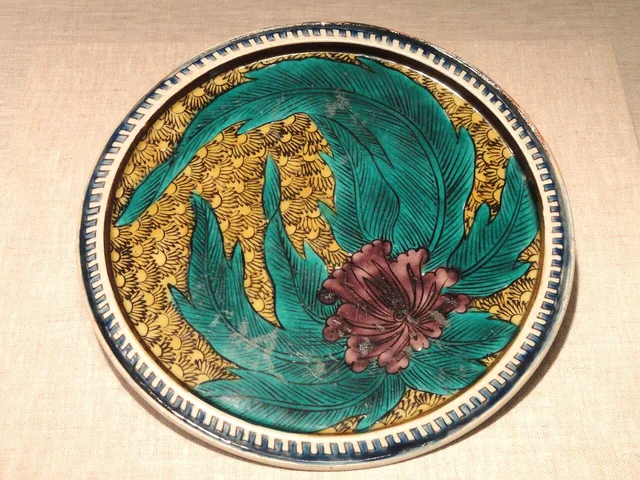
Kutani Ware Plate with peony, Kutani kiln. 17th century. Tokyo National Museum.
While homogenisation swept the Pacific side, the Sea of Japan coast was quietly left behind. But being left behind turned out to be an unexpected gift.
Preservation by Neglect
Takasaki, Mito, Hachiōji, Hamamatsu — the view from any station exit is nearly identical. The same convenience stores, the same drugstores, the same chain cafés. Only the sign tells you which city you are in.
Edo-period Port
MITARAI
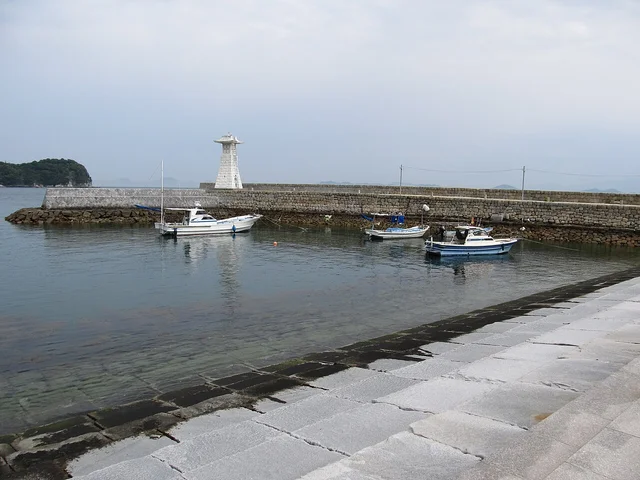
Historic harbor district. The stone pier is 18th century, a lighthouse stood in the center in 1891.
Merchant Architecture
SAKATA
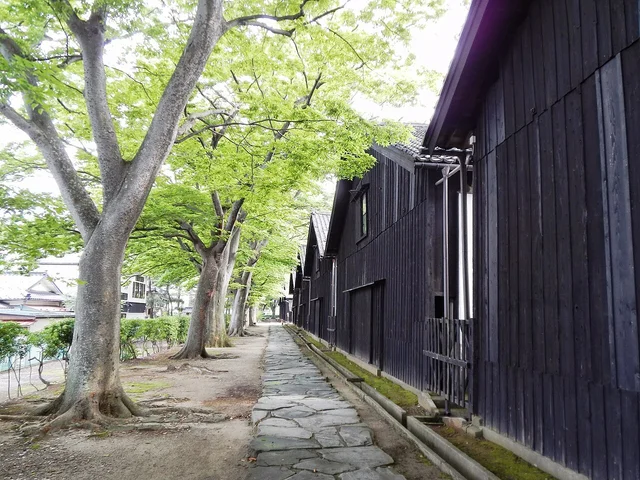
The wooden storehouses of the Homma family still stand.
Sake and Salt Town
TAKEHARA
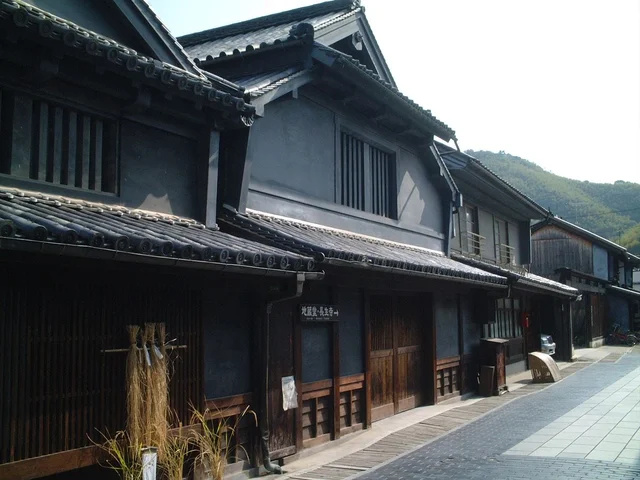
The walls of the town reflect the historical wealth of sake.
The isolation that preserved the culture is now, by the same isolation, dismantling it from within.
A Choice of Words
We use 'continuation,' not 'preservation.' Preservation freezes the past. Continuation hands it to the next generation. The difference is made — perhaps — by readers like you, watching from far away. Because from the inside alone, it may already be too late.