BOREAL
The Japan the railways left behind.
Before Tokyo became the center, the Sea of Japan was an empire of wind and wood. A decentralized network that moved massive wealth in silence.
BOREAL is an instrument to see it again.
A hybrid of slow journalism and a strict multiplayer economy, designed to return your attention to the unseen coast.
Not to consume it. But to comprehend it.
OBSERVED FROM THE SEA
The sea is still — we are quietly gathering our first crew.
[ STATUS ] A vanguard of architects is calibrating the 19th-century engine.
THE EXPERIMENT
To care about a place, you must spend time in it.
As modern tourism turns the world into quick photo opportunities, true connection demands time. That is why BOREAL and KITAMAE exist together — to ask one question: can you miss a town you have never been to?
KITAMAE is the game.
You sail the kitamaebune's slow time, trade along the coast that raised these towns, and grow familiar with their harbors — their goods, their weather, their names.
BOREAL is where the game meets the real world.
The ports you trade with are real, and still standing. BOREAL carries their crafts, their histories — in time, their actual goods — off the map and into your life, until the last short distance left to close is you, going there.
THE APPROACH
— A SLOW READING
The story of Japan that the West never knew unfolds on the unseen coast.
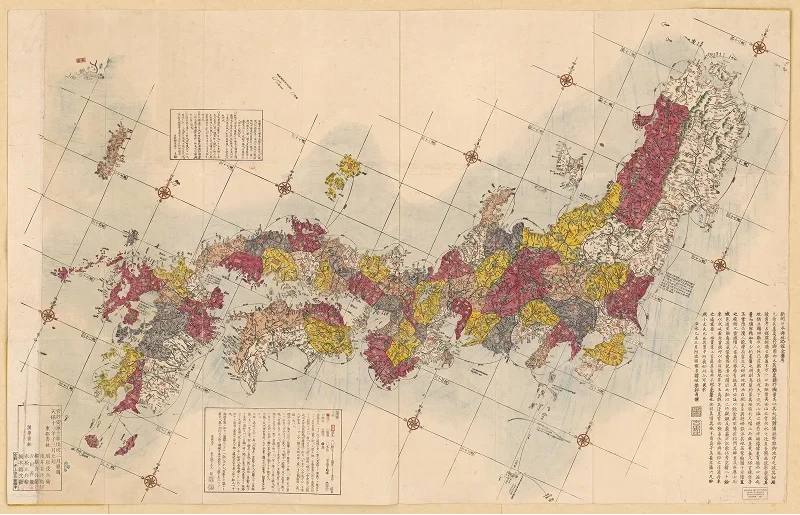
Nagakubo Sekisui, Kaisei Nihon Yochi Rotei Zenzu (Revised Complete Map of Japanese Lands and Roads), 1840 edition. Library of Congress, Geography and Map Division. Public domain.
For two centuries before the railways came, an economy of shipping merchants moved rice, safflower, and herring across a sea most foreign writing has never reached. They built cities. They built fortunes. They built a coastal Japan that has since slipped from its own memory.
The Approach is our attempt to dissect this forgotten engine, in English, slowly, before more of it is lost.
THE DISPATCH
— NODES OF THE NETWORK
Capital leaves a physical mark.
The merchant lords of the Kitamaebune did not build a single metropolis; they distributed the wealth of the Sea of Japan across a network of hidden harbors. The grand streetscapes they built to protect their assets still stand along this unseen coast.
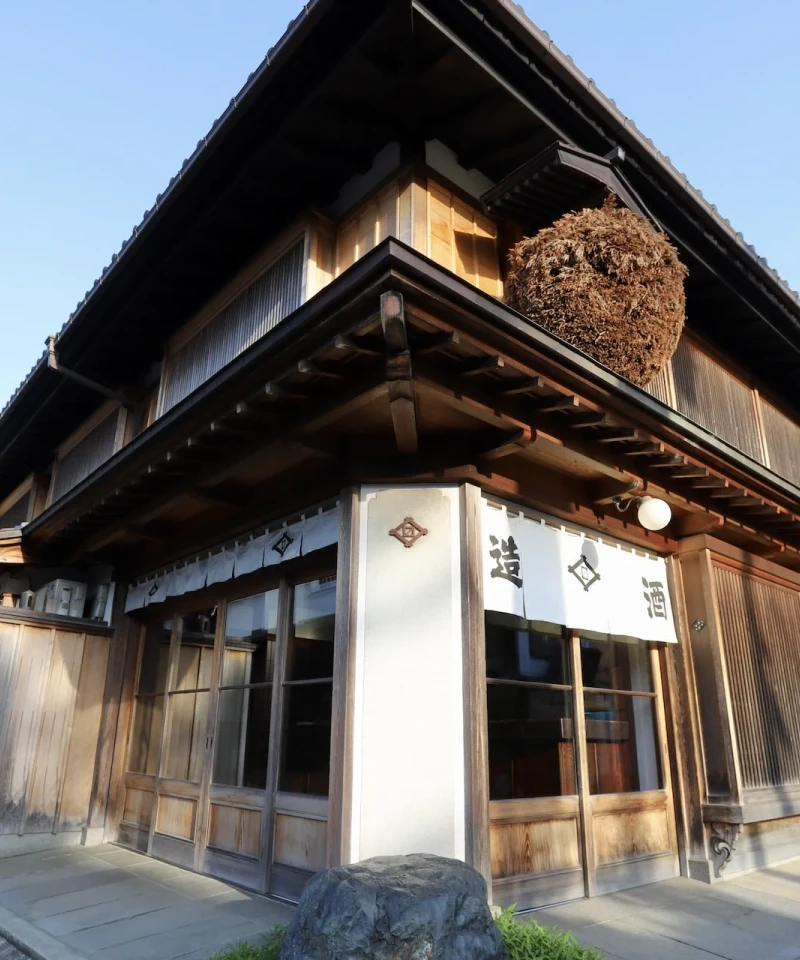
Where fortunes crossed paths. The merchant lords of the kitamaebune once gathered the wealth of the Sea of Japan here. The grand streetscape they built remains quietly intact in Higashi-Iwase today.
KITAMAE
— THE ENGINE
The Bloomberg Terminal existed in 1850. You just didn't know it yet.
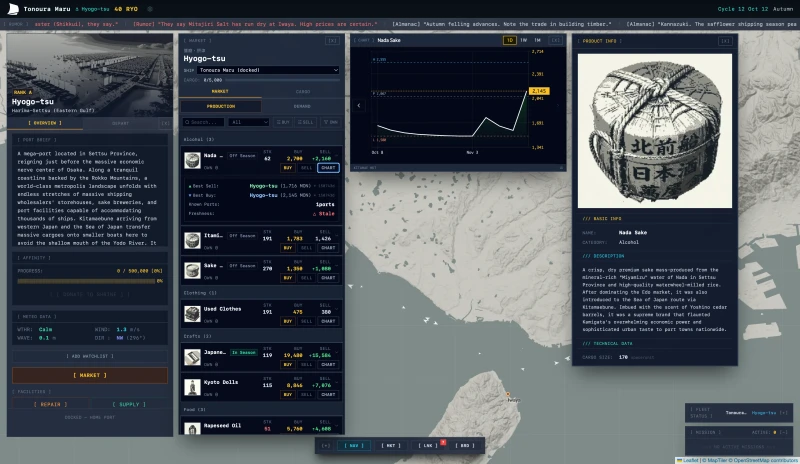
KITAMAE is a 1,000-player maritime trading simulation. But it isn't a sailing game. There are no sails to trim, no ships to steer. You run a merchant house in 19th-century Japan. You manage fleets at sea, track strict historical exchange rates, and monitor real-time weather over the Sea of Japan — all from a single, merciless command terminal.
The world moves at something close to real time. All players live together inside one shared, continuous timeline. It is designed to respect your time, not hijack it. Glance at it the way you'd glance at the markets. On your phone, between meetings. On the train home. Give your orders, and let the historical winds do the rest.
Early prototype. Free to play. Browser-based.
THE LANDING
— PROCUREMENT CATALOG
Cargo the world is calling for
Every item on The Landing was requested by players inside the KITAMAE game. Boatmen navigating the virtual coast select real regional goods they want to buy. Those selections automatically appear here. When an item gathers enough votes to show clear demand, we procure it from Japan for actual sale.
Loading cargo…
HOW THIS WORKS
In KITAMAE, boatmen trade historical cargo.
Items they want in reality, they request — and the cargo appears here.
When an item gathers enough votes, we work to bring it to market. The simulation ends, the real shipping begins.
THE OBSERVATORY
— INTERCEPTED TELEMETRY
The sea keeps its own accounts.
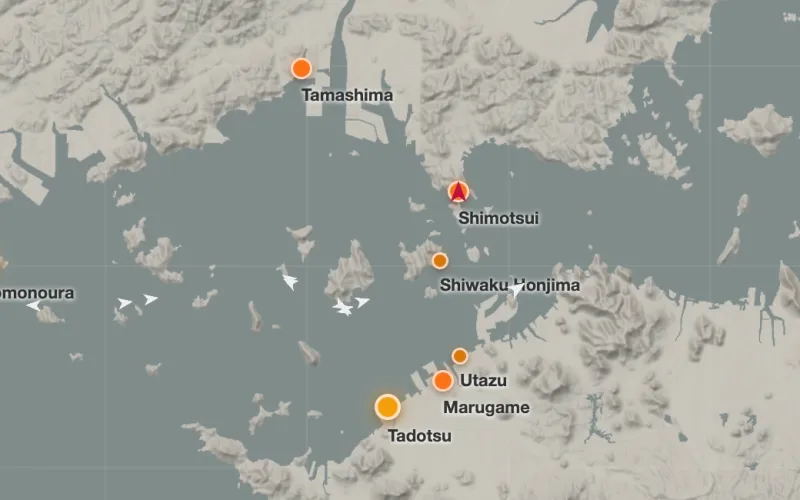
Thousands of nameless vessels navigate the economic currents of the archipelago. This is an intercepted telemetry log—translating the cold mechanics of trade into the shape of a solitary journey.
Loading voyage data…
THE STUDIO
Seeing our own country from the outside in.
Mederu OÜ is a small independent studio based in Tallinn, on the eastern edge of the Baltic Sea. We design games as instruments — for changing how people see, for redirecting attention, for putting overlooked things back on the map.
Though our roots are Japanese, operating from Europe gives us the critical distance to view Japan's historic coastal network clearly. To escape the immense gravity of modern Tokyo, we had to look from the outside.
Our attention runs across scales — from the quiet frictions of daily life to the slow, complex problems that span the world. We start with Japan's port towns.
— The Editors, Mederu OÜ
EARLY PROTOTYPE
Seeking a few early boatmen.