PART II — THE KITAMAEBUNE
2.5
The Merchants and the Decline
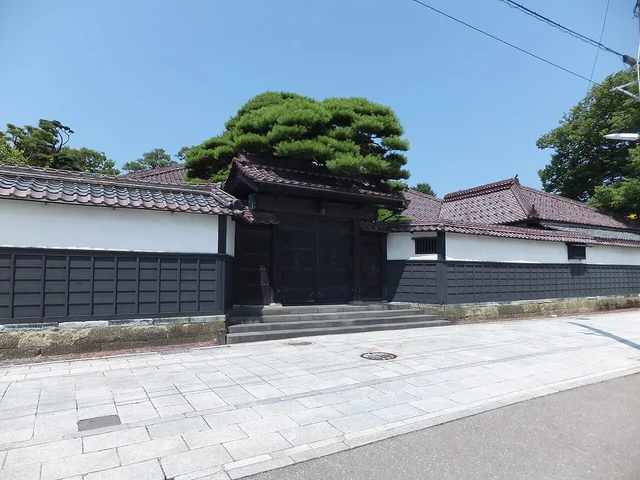
The former main residence of the Honma family in Sakata, Yamagata, built 1768 by Honma Mitsuoka, the family's third-generation head. Originally constructed as lodging for shogunal inspectors, then granted to the family in recognition of service to the Shonai domain. Through international trade, the Honma became Japan's largest landowner, financed port infrastructure, and effectively governed Sakata's economy. A rare architectural fusion of samurai and merchant residence styles; Yamagata Prefecture designated cultural property.
Photograph by 663high, licensed under CC BY-SA 3.0 via Wikimedia Commons.Zeniya was not an isolated genius. The kitamaebune produced an entire class of merchant-statesmen who built urban infrastructure with their own capital, defused international crises through personal negotiation, and effectively overruled the shogun.
The Edo merchants invested across multiple voyages. Most paid back many times over. Some sank entirely. The portfolio framework worked.
The Arrival of the Railway
In 1872, Japan's first railway opened. By 1900, goods could be moved safely, overnight, regardless of season or weather. The kitamaebune quietly surrendered its role.
The logic of logistics changed fundamentally.
The Quiet Handover
The logic of logistics changed fundamentally. Kitamaebune logic: on-the-ground judgement, personal trust. Railway logic: central planning, timetables, economies of scale. The Meiji government chose the latter. The Sea of Japan coast became ura-nihon — 'the back of Japan.' The front was the Pacific. The back was depopulation and ageing. This is where Part III begins.